
Crossing Continents in a Day: Highlights of Istanbul’s Asian & European Sides
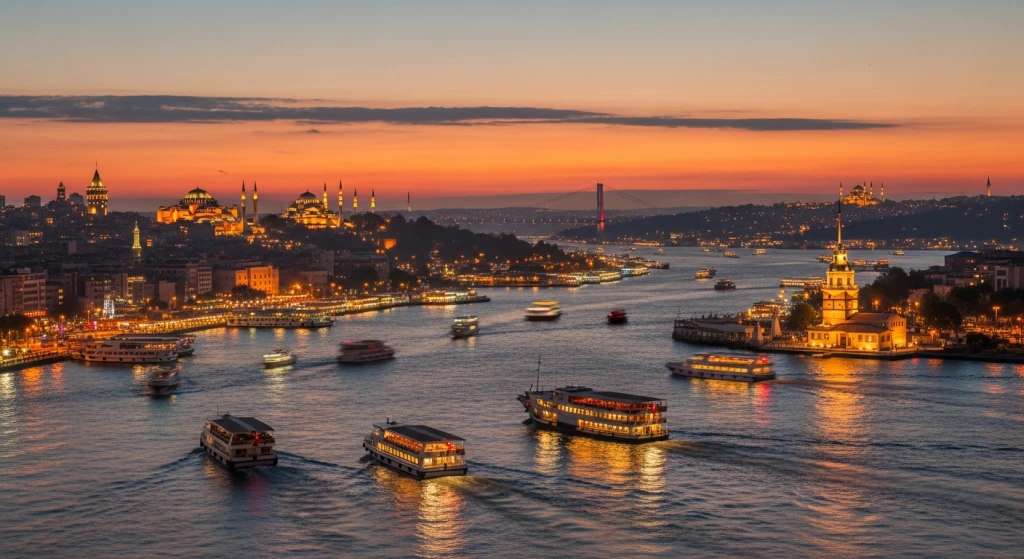
Crossing Continents in a Day: Highlights of Istanbul’s Asian & European Sides
Istanbul is the only city in the world where you can start your morning in Europe, cross a glittering strait at midday, and sip tea in Asia by afternoon—without ever leaving the same metropolis. If you want to feel this “two worlds in one day” magic without juggling taxis, ferries and timetables, the Daily Istanbul Tour Two Continents is one of the most convenient ways to do it.
Rather than racing between landmarks, this experience is about tracing the invisible seam where East meets West—through neighborhoods, local rituals, and viewpoints that show how Istanbul’s two halves mirror and balance each other.
Why a Two-Continents Tour Feels Different from a Standard City Tour
Most visitors focus on the Old City monuments or just the Bosphorus shoreline. The two-continents route does something more interesting: it lets you watch the city’s personality shift as you cross the bridge—architecture, pace of life, even how people hang out in parks and cafés.
The Daily Istanbul Tour Two Continents folds both sides of the city into one curated day. Instead of collecting sights, you’re collecting contrasts: imperial vs. modern, busy vs. laid-back, stone courtyards vs. leafy hillsides, all threaded together with stories from a local guide.
Morning in Europe: Palaces, Prestige and Panoramas
Dolmabahçe and the European Shoreline
On the European side, Bosphorus mansions and grand palaces reflect Istanbul’s “capital of empires” past. Many itineraries for this tour include the Dolmabahçe area, where the Ottomans tried to match European splendor with crystal chandeliers, gilded ceilings, and seaside façades that look like they were carved from lace.
Even if your specific departure date uses a slightly different route, this part of the city embodies Istanbul’s European face: planned boulevards, 19th-century architecture, and that stately, imperial vibe. Your guide usually begins here with the big-picture story—how the city shifted from Topkapı’s walled courtyards to the “new” palaces on the water.
Hilltop Views and City Orientation
One of the best things about the two-continents itinerary is the use of viewpoints. A good vantage point early in the day helps you understand the city’s geography: the Bosphorus slicing north–south, the Golden Horn branching like a crooked finger, minarets pricking the skyline.
Look for a stop that gives you a sweeping panorama of both bridges and the Asian hills. From here, your guide can literally point out where you’ll be standing later—Kadıköy market streets, Üsküdar’s mosques, or the green slopes above the Asian shore. Suddenly the idea of “crossing continents” becomes real, not just a line in your passport.
Crossing the Bosphorus: The Moment the City Flips
No matter how many times you’ve looked at a world map, there’s something surreal about driving over a bridge that officially carries you from Europe to Asia. On the Daily Istanbul Tour Two Continents, this is often a highlight, especially if the guide times it to share stories about past sieges, trade caravans, and modern commuting life.
As you roll across the Bosphorus Bridge (or one of its siblings), watch how the skyline changes: skyscrapers slip behind you, low-rise quarters and green hills appear, and the Asian neighborhoods crouch closer to the shoreline. You move from the city’s more touristed half to its lived-in, local heartland.
Afternoon in Asia: Markets, Mosques and Everyday Rituals
Üsküdar: Quiet Mosques and Seaside Calm
Üsküdar, one of the common stops on two-continents itineraries, feels like a living sketchbook of Ottoman mosque architecture. Instead of grand palace complexes, you find human-scale mosques with tiled interiors, courtyards shaded by plane trees, and locals ducking in for afternoon prayers.
Here, the tour often slows down: you might stroll along the waterfront, watch fishermen line the railings, or look back at the European skyline shimmering across the water. It’s a great place to ask your guide about daily religious life, neighborhood traditions, and how Istanbulites interact with this ancient waterfront today.
Kadıköy: A Taste of Modern Asian-Side Life
If Üsküdar is about quiet tradition, Kadıköy puts you into the middle of contemporary Istanbul living. Many versions of this tour include time in or around Kadıköy’s market streets: fishmongers calling out prices, spice stalls glowing with red pepper and sumac, bakeries perfuming the air with simit and fresh börek.
This is where the day’s “two continents” theme really sinks in. Cafés spill onto the sidewalks; students crowd into third-wave coffee shops; murals brighten back alleys. It’s not staged for tourists—this is where people live, shop and gossip. Your guide can help you sample seasonal specialties or introduce you to meze counters and dessert shops you’d never identify on your own.
Local Flavors: Eating Your Way Across the Continents
Food is one of the most enjoyable ways to feel the difference between the two sides. European-side lunches might lean toward classic kebab houses and traditional lokantas where steam rises from trays of stews and pilafs. On the Asian side, especially in Kadıköy, the same lunch break can mean creative twists on Turkish standards, vegan-friendly spots, or casual meyhanes tucked down side streets.
On a guided day tour, you’re not just picking randomly; you have someone who knows which places are genuinely local favorites, what’s fresh that day, and how to order like a regular. If you fall in love with a particular dish, ask your guide where to find it again—this is a direct line to building your own food itinerary after the tour.
Practical Tips for Making the Most of a Two-Continents Day
Istanbul’s size and traffic can make independent cross-continental exploring exhausting. Folding both sides into one organized day through a structured option like the Daily Tour category removes the stress of planning while still giving you flexibility to wander during free time.
To get the most from the experience:
- Wear comfortable shoes: Expect a mix of walking and driving, including slopes and cobblestones.
- Carry a light layer: Breezes on the bridge and waterfront can be cooler than inland streets.
- Plan questions: Use the guide as a cultural bridge—ask about neighborhood identities, property prices, school life, and how people choose between living in Europe or Asia.
- Note places to revisit: Jot down the names of cafés, viewpoints and streets you like; you can come back in the evening or another day.
Who Is This Tour Best For?
The Daily Istanbul Tour Two Continents suits first-time visitors who want a quick, intuitive grasp of the city’s layout, as well as repeat travelers who previously stayed only in the Old City or Taksim area and now want to discover the Asian side.
If your time in Istanbul is limited, it’s an efficient way to say you’ve truly experienced both of the city’s personalities—not just ticked off its monuments. In a single day, you’ll see how crossing a narrow strait can feel like stepping into another world, even though you’re still in the same unforgettable city.