Discover the Flavors of Istanbul: The Ultimate Culinary & Gastronomy Guide
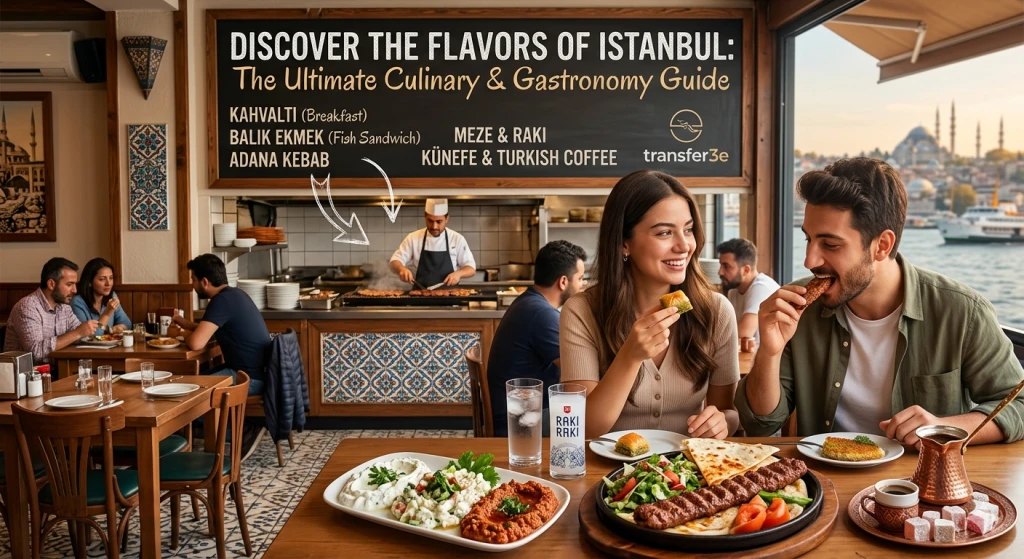
To eat well in Istanbul, start a morning with a long Turkish breakfast, have lunch at a lokanta, and spend an evening over meze and rakı at a meyhane. In between, follow the food districts: the Spice Bazaar in Eminönü, the market streets of Kadıköy, the breakfast street in Beşiktaş and the regional kitchens of Fatih. This guide covers what to order, where to find it and the etiquette that goes with it.
Turkish breakfast and where locals go
Kahvaltı is a meal to linger over. A full spread brings white cheese and aged kaşar, olives, tomatoes and cucumbers, honey with kaymak (clotted cream), jams, eggs as menemen (scrambled with tomato and green pepper) or fried with sucuk sausage, fresh bread or simit, and glass after glass of tea. Order a serpme kahvaltı and many small plates arrive at once; it is usually meant for 2 or more people.
Locals head to Beşiktaş's breakfast street, Kahvaltıcılar Sokağı: Çelebioğlu Sokak, just off Ihlamurdere Caddesi, and the lanes around it are lined with breakfast cafés. Weekend mornings are the busiest. For a quick version, buy a sesame simit from a street cart and have it with tea. Our Beşiktaş guide covers the rest of the district.
Meze and the meyhane evening
A meyhane is a tavern built around a long, slow dinner. The waiter brings a tray of cold meze to choose from: haydari (thick yogurt with garlic and herbs), acılı ezme (spicy tomato and pepper paste), fava (broad bean purée), smoky aubergine salad, lakerda (cured bonito) and samphire in olive oil. Hot starters (ara sıcak) such as fried calamari or Albanian-style liver come next, then fish or grilled meat, then fruit or dessert.
The drink is rakı, an anise spirit that turns milky white when you add cold water; sip it slowly through the meal. Order a few plates at a time, because every plate adds to the bill. In Beyoğlu, Nevizade Sokak, off İstiklal Caddesi, is the best-known meyhane street.
Kebabs and Bosphorus seafood
At an ocakbaşı you sit around the charcoal grill. These are the kebab styles to know:
| Kebab | What it is | Good to know |
|---|---|---|
| Adana | Minced lamb with red pepper flakes, grilled on a wide, flat skewer | Spicy; served with flatbread, onions and grilled peppers |
| Urfa | The same minced kebab with milder seasoning | Choose it if you do not like heat |
| İskender | Thin slices of döner over cubes of pide, with tomato sauce, sizzling butter and yogurt | Created in Bursa in the 1860s; very filling |
| Çöp şiş | Small chunks of lamb on thin wooden skewers | From the Aegean coast; several skewers make a portion |
The classic seafood snack is balık ekmek, a grilled fish sandwich sold from the boats moored at Eminönü beside the Galata Bridge. Street vendors also sell midye dolma, mussels stuffed with spiced rice, by the piece. For a fish dinner, go up the Bosphorus to Arnavutköy, Bebek or Rumelihisarı, or to the fishmongers' streets of the Beşiktaş market. Fish is seasonal: hamsi (anchovy) is the winter favourite and lüfer (bluefish) the autumn one. Whole fish is often priced by weight, so ask the price before it is cooked. For snacks in the old city, see our Sultanahmet street food guide.
Lokantas and regional food in Fatih
For lunch, eat where Istanbul's workers do, at an esnaf lokantası (tradesmen's restaurant). Dishes cooked that morning sit in steam trays at the front: you point, they serve. Look for kuru fasulye (white beans) with pilaf, karnıyarık (aubergine stuffed with mince), imam bayıldı (aubergine in olive oil), lentil soup and seasonal vegetables. Go at lunchtime, because popular dishes sell out. The best-known old lokanta is Hacı Abdullah, founded in 1888 and now on Atıf Yılmaz Caddesi just off İstiklal, known for Ottoman palace dishes.
Fatih, the district that covers the old city, is the easiest place to find regional cooking. Kadınlar Pazarı (the Women's Bazaar) on İtfaiye Caddesi, next to the Valens Aqueduct, is home to many families from Siirt and Bitlis in eastern Turkey, and to their büryan restaurants. Büryan is lamb slow-cooked in a pit oven, and perde pilavı is rice with chicken and almonds baked inside a pastry dome. The shops around them sell honey, cheese and dried goods from the east. Elsewhere in Fatih you will find cooking from Hatay in the south and Crimean Tatar çiğ börek, fried pastries filled with meat.
Desserts: baklava, künefe, sütlaç and lokum
- Baklava: thin layers of pastry with pistachios and syrup. The style comes from Gaziantep, whose Antep baklava became the first Turkish product with EU geographical protection in 2013. Karaköy Güllüoğlu has sold baklava in Karaköy since 1949, now from Kemankeş Caddesi.
- Künefe: shredded kadayıf pastry around unsalted cheese, baked, soaked in syrup and eaten hot, often with pistachios. It comes from Hatay, and kebab houses serve it straight from the oven.
- Sütlaç: rice pudding. Fırın sütlaç is baked until the top browns and served cold.
- Lokum (Turkish delight): Ali Muhiddin Hacı Bekir has made it since 1777 and has shops in Eminönü, Beyoğlu and Kadıköy.
Tea, Turkish coffee, ayran and rakı
- Tea (çay): strong black tea in small tulip-shaped glasses, served all day. UNESCO added the tea culture of Türkiye and Azerbaijan to its intangible heritage list in 2022. Ask for açık (light) or koyu (strong).
- Turkish coffee: finely ground coffee boiled in a small pot and served with a glass of water. Order it sade (no sugar), orta (medium) or şekerli (sweet), and leave the grounds in the cup. Kurukahveci Mehmet Efendi has roasted coffee beside the Spice Bazaar since 1871.
- Ayran: a cold, lightly salted yogurt drink and the usual partner for kebabs.
- Rakı: the anise spirit nicknamed lion's milk. Alcohol is easy to find in Beyoğlu, Karaköy and Kadıköy, but many lokantas and kebab houses do not serve it.
Food neighbourhoods at a glance
| Area | What to eat or buy | Good to know |
|---|---|---|
| Eminönü and the Spice Bazaar | Spices, dried fruit, lokum, coffee and balık ekmek; lunch at Pandeli, founded in 1901, in tiled rooms above the bazaar gate | Open daily until about 19:00, closed on the first days of religious holidays; taste before you buy. Pandeli closes on Sundays. |
| Karaköy | Baklava, breakfast and coffee | A short walk from Eminönü across the Galata Bridge |
| Beyoğlu | Hacı Abdullah for lunch, meyhanes on Nevizade Sokak, sweet shops on İstiklal Caddesi | İstiklal is pedestrianised and liveliest in the evening |
| Kadıköy | Fish, pickles, cheese and spices in the market streets around Güneşlibahçe Sokak; regional Anatolian dishes at Çiya Sofrası | Stalls open daily, about 09:00–20:00, busiest late morning and on Saturdays; about 20 minutes by ferry from Eminönü, Karaköy or Beşiktaş |
| Beşiktaş | Breakfast on Kahvaltıcılar Sokağı, fishmongers and lokantas in the market streets | Ferries to Kadıköy and Üsküdar |
| Fatih | Büryan and perde pilavı around Kadınlar Pazarı | Combine with the Valens Aqueduct |
| Ortaköy | Kumpir and waffles | Busiest on weekend afternoons; see our Ortaköy guide |
Ferries are often the quickest link between the European and Asian sides. For a long food day with shopping bags, Transfer3E offers a car with a driver by the hour; arriving by air, see the Istanbul Airport transfer.
Etiquette, tipping and special diets
- Prices and charges: since 2024, restaurants and cafés must post their menu with prices at the door. Since 30 January 2026, they may not add service, cover (kuver) or table charges, or charge for starters you did not order: the menu price is what you pay.
- Tipping: tips are voluntary. Leave about 10% in sit-down restaurants and round up in cafés and lokantas. Card machines rarely have a tip option, so carry some cash.
- Vegetarians: meze and zeytinyağlı dishes (vegetables cooked in olive oil and served cold) are usually meat-free. Soups, pilafs and bean dishes can contain meat stock, so ask "Et suyu var mı?" (Is there meat stock?). Etsiz means without meat. Vegans should watch for yogurt and butter: baklava is usually made with butter.
- Halal: meat in traditional Turkish restaurants is halal as standard, and pork is not part of the cuisine. For an alcohol-free meal, choose a lokanta or kebab house over a meyhane.
- Ramadan: the next Ramadan runs from 8 February to 8 March 2027, followed by the Eid holiday on 9–11 March. Most restaurants in the tourist areas stay open by day, but they fill up just before iftar, the sunset meal, and so do the roads. Try Ramadan pide, a soft round bread, and güllaç, a dessert of thin wafers soaked in milk.
- Food tours: a guided food walk in Kadıköy, Beyoğlu or the old city saves time and helps with dietary needs. Check the group size and whether drinks are included.
Frequently asked questions
How much should I tip in Istanbul restaurants?
About 10% in sit-down restaurants, ideally in cash. Service and cover charges have been banned since 30 January 2026, so any tip is your choice.
Is the Spice Bazaar open on Sundays?
Yes, it opens every day, although some stalls stay shut on Sundays and the whole bazaar closes on the first days of religious holidays. Weekday mornings are the calmest.
Can vegetarians eat well in Istanbul?
Yes. Meze, zeytinyağlı dishes, cheese pide and most desserts are meat-free, and lokantas usually have vegetable dishes. Ask whether soups and pilafs are made with meat stock.
Are restaurants open during Ramadan?
Yes. Most restaurants in the main tourist areas serve food during the day. The next Ramadan is from 8 February to 8 March 2027.